مقدمة
في الأنظمة الهيدروليكية الصناعية والمتنقلة، لا تعد مراقبة الجودة خطوة تفتيش معزولة في نهاية خط التجميع؛ إنه إطار هندسي متكامل يشمل تعدين المواد الخام، وتصنيع الآلات الدقيقة، والتحكم في التلوث، والمحاكاة الوظيفية لنهاية الخط. عندما يتعرض صمام التحكم الاتجاهي المثبت على حفار أو جرار زراعي لتسرب داخلي في البكرة أو تباطؤ في تخفيف الضغط، فإن فشل الماكينة الناتج يؤدي إلى الإضرار بسمعة العلامة التجارية للشركة المصنعة الأصلية ويتسبب في مطالبات ضمان ميدانية باهظة الثمن.
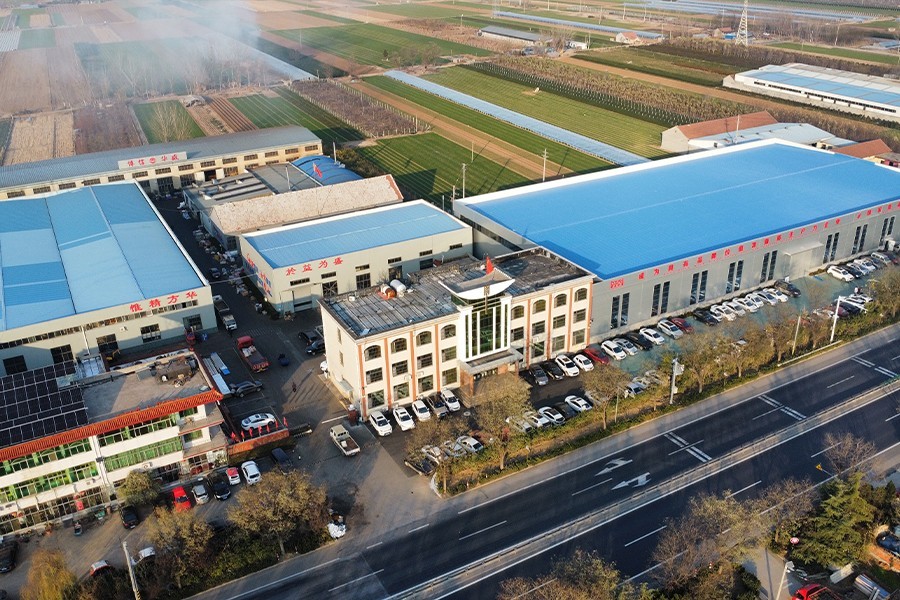
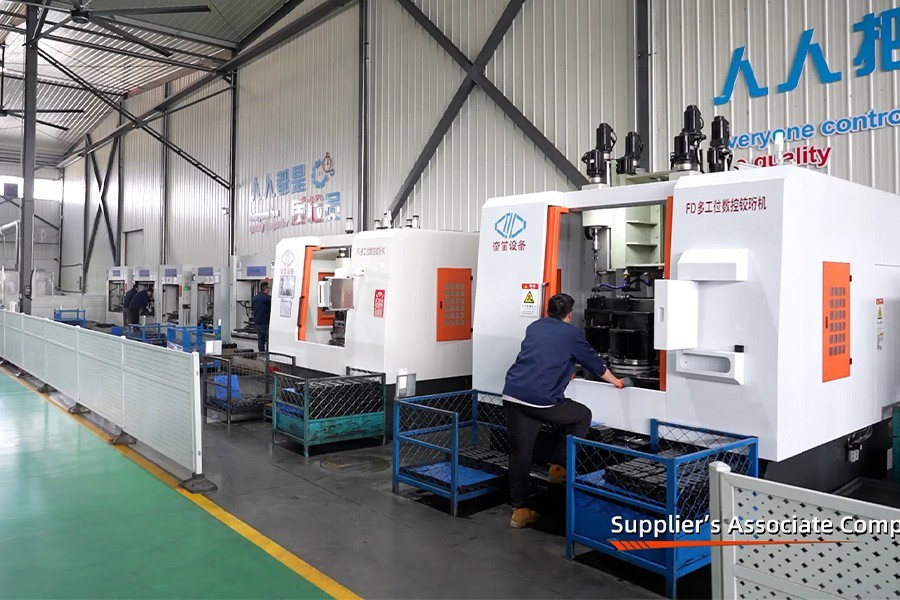
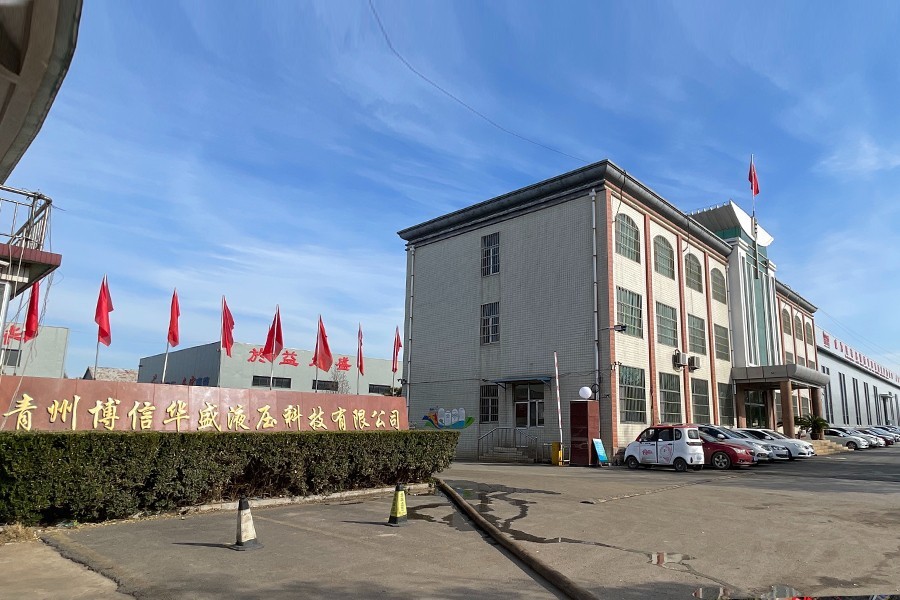
في شركة Boxinhuasheng Hydraulic Technology Co., Ltd.، يشكل ضمان الجودة الأساس لعمليات التصنيع لدينا. تعمل Boxinhuasheng في حرمنا الجامعي الذي تبلغ مساحته 68000 متر مربع في مدينة تشينغتشو بالصين، وقد حافظت على تركيز لا هوادة فيه على الجودة لأكثر من 25 عامًا. بدعم من 35 من كبار المهندسين الهيدروليكيين، وأكثر من 400 عامل ماهر، وأكثر من 30 مقعد اختبار متخصص، وشهادة IATF 16949 الكاملة، فإننا ننتج أكثر من 1.5 مليون وحدة هيدروليكية سنويًا لعملاء OEM في أكثر من 80 دولة.
توضح هذه المقالة بالتفصيل كيفية قيام Boxinhuasheng بتنفيذ بروتوكولات صارمة لمراقبة الجودة في كل مرحلة من مراحل الإنتاج، مما يمنع العيوب قبل حدوثها ويضمن أن كل وحدة صمام ومضخة ومأخذ طاقة (PTO) تلبي معايير OEM العالمية.
تكلفة المكونات الهيدروليكية المعيبة في ماكينات تصنيع المعدات الأصلية
بالنسبة لمصنعي المعدات الأصلية للجرارات الزراعية، والجرافات ذات العجلات، والرافعات المثبتة على الشاحنات، تعد المكونات الهيدروليكية عناصر المسار الحرج. على عكس العيوب التجميلية البسيطة، تؤدي الأعطال الهيدروليكية إلى تدهور سلامة السيارة وقدرتها التشغيلية بشكل مباشر.
+-------------------------------------------------------------------------+
|                  تأثير العيوب الهيدروليكية التي لم يتم فحصها |
+------------------------+------------------------------------------------+
| نوع العيب | التأثير التشغيلي على معدات OEM |
+------------------------+------------------------------------------------+
| تسرب التخزين المؤقت الداخلي | فقدان القدرة على الاحتفاظ بذراع الرافعة، والانجراف، والسخونة الزائدة|
| انجراف صمام الإغاثة | انخفاض قوة الاختراق، توقف الدائرة الهيدروليكية|
| المسامية المعدنية | تمزق السكن المفاجئ تحت ضغط المسامير |
| رقائق التلوث | ربط التخزين المؤقت، انسداد منفذ الطيار، تآكل المضخة |
+------------------------+------------------------------------------------+
للتخلص من أوضاع الفشل هذه، تطبق Boxinhuasheng نظام إدارة الجودة ذو الحلقة المغلقة المعتمد بموجب ذلكإتف 16949- معيار جودة السيارات الدولي - تكمله المستقلةالتحقق من مصنع SGS.
المرحلة الأولى: التخطيط المتقدم لجودة المنتج (APQP) وتحليل تأثيرات وضع الفشل (FMEA)
يبدأ منع مشكلات الجودة قبل فترة طويلة من بدء التصنيع المادي. بالنسبة لكل مشروع تصنيع المعدات الأصلية، يقوم قسم الهندسة لدينا بتنفيذ بروتوكولات التخطيط المتقدم لجودة المنتج (APQP).
- تصميم FMEA (DFMEA): يقوم 35 من كبار المهندسين الهيدروليكيين بتقييم الأشكال الهندسية لشق قياس البكرة، وحدود إجهاد الزنبرك، وأبعاد أخدود الختم، وضغوط قص السوائل لتحديد نقاط الضعف المحتملة في التصميم.
- عملية FMEA (PFMEA): يقوم مهندسو التصنيع بتحليل كل خطوة من خطوات التصنيع والتجميع، وتحديد الأخطاء البشرية المحتملة، أو متغيرات تآكل الماكينة، أو عوامل التمدد الحراري التي قد تؤثر على التفاوتات.
- تطوير خطة التحكم: يتم تعيين نقاط فحص الجودة الواضحة لكل محطة عمل، مما يحدد معلمات التحكم لأقطار الشحذ، وخشونة السطح، وفحص إزالة الأزيز، وزوايا عزم دوران التثبيت.
المرحلة الثانية: التحقق من المعادن والأبعاد الواردة
يمنع نظام مراقبة الجودة القوي المواد الخام غير المطابقة من دخول مجرى الإنتاج.
- التحليل الطيفي: يتم تحليل كل دفعة من مصبوبات حديد الدكتايل (QT500-7) عبر قياس الطيف الضوئي للانبعاث للتحقق من توزيع الجرافيت العقدي، مما يضمن قوة شد موحدة (≥ 500 ميجا باسكال) وضيق الضغط.
- فحص آلة القياس الإحداثية (CMM).: يتم قياس المسبوكات الدقيقة وفراغات جسم الصمام على أجهزة CMM ثلاثية الأبعاد للتحقق من أبعاد فتحة التثبيت، وتركيز خيط المنفذ، وخلوصات المعرض الخام قبل المعالجة الآلية.
- اختبار الصلابة: يخضع مخزون القضبان الفولاذية المخصصة لبكرات الصمامات لاختبارات صلابة Rockwell (HRC) وVickers (HV) قبل وبعد المعالجة الحرارية بالكربنة، مما يضمن صلابة القلب جنبًا إلى جنب مع صلابة السطح (58-62 HRC).
المرحلة 3: مراقبة الجودة أثناء العملية (IPQC) والتحكم في العمليات الإحصائية (SPC)
أثناء عمليات التصنيع عبر أكثر من 260 آلة إنتاج لدينا، تقوم تقنيات التحكم في العمليات الإحصائية (SPC) بمراقبة الأبعاد الحرجة في الوقت الفعلي.
- مثاقب التخزين المؤقت للهواء: يستخدم مشغلو شحذ CNC أجهزة قياس الهواء الهوائية متعددة النفاثات لقياس قطر التجويف، والاستدقاق، والبيضاوية عند ثلاث نقاط على طول التجويف. يتم الاحتفاظ بالتفاوتات في حدود 0.002 مم (2 ميكرون).
- تتبع الملف الشخصي السطحي: يتم فحص تشطيبات سطح التجويف والبكرة بشكل دوري باستخدام مقاييس التلامس للتحقق من أن خشونة السطح ($R_a$) تظل أقل من 0.2 ميكرومتر، مما يمنع تآكل الختم المبكر.
- التعويض التلقائي عن تآكل الأدوات: تتميز مراكز التصنيع باستخدام الحاسب الآلي بأدوات ضبط الليزر التي تكتشف التآكل الدقيق على حواف القطع، وتقوم تلقائيًا بتطبيق تصحيحات الإزاحة قبل أن تتجاوز التفاوتات الحدود.
المرحلة الرابعة: التحكم في التلوث وتدقيق النظافة وفقًا لمعايير ISO 4406
يعتبر التلوث بالجسيمات الصلبة مسؤولاً عن ما يصل إلى 80% من تآكل النظام الهيدروليكي ومشكلات ربط البكرة. يتعامل Boxinhuasheng مع نظافة السوائل كمعيار أساسي للجودة.
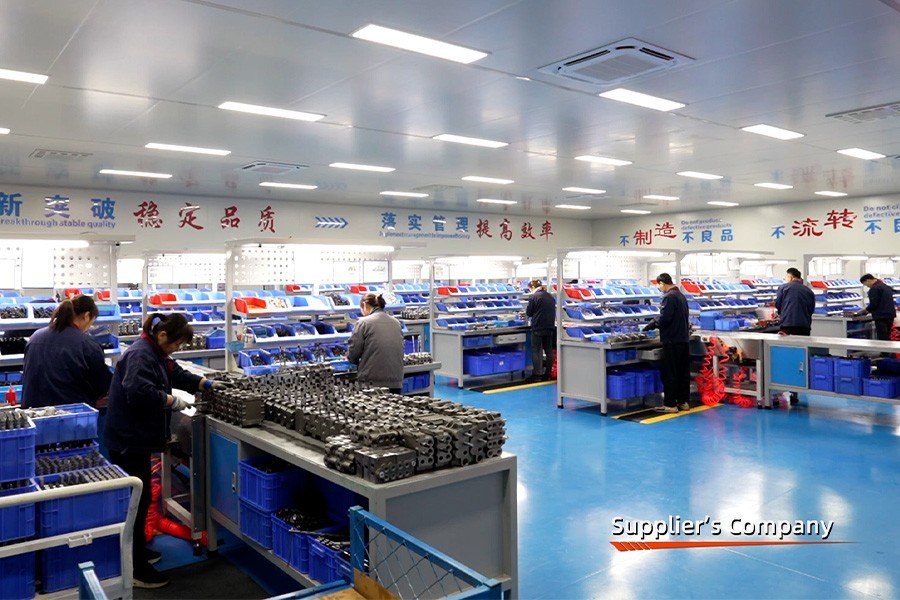
- الغسيل الآلي بالموجات فوق الصوتية: تخضع أجسام الصمامات المُصنعة للغسيل بالموجات فوق الصوتية على 5 مراحل وإزالة الأزيز الحراري لإزالة النتوءات الدقيقة وبقايا سوائل القطع.
- مراقبة نظافة السوائل: يخضع الزيت الهيدروليكي المستخدم في أكثر من 30 منصة تجميع واختبار لدينا لعملية ترشيح دقيقة مستمرة دون اتصال بالإنترنت تصل إلى 3 ميكرون.
- تدقيق النظافة ISO 4406: يقوم فنيو مختبر النظافة بأخذ عينات من صالات عرض المكونات المغسولة وسوائل منصة الاختبار، وإجراء تحليل الوزن والعد المجهري للجسيمات لضمان الامتثال لمعايير كود ISO 4406 16/14/11.
المرحلة الخامسة: اختبار محاكاة عبء العمل بنسبة 100%
في حين أن العديد من الشركات المصنعة تعتمد على أخذ عينات AQL الإحصائية، فإن Boxinhuasheng يفرض ذلكاختبار محاكاة عبء العمل بنسبة 100%لكل صمام هيدروليكي، ومضخة تروس، ووحدة PTO يتم إنتاجها.
لدينا أكثر من 30 منضدة اختبار آلية تحاكي ظروف التشغيل القاسية في العالم الحقيقي:
+-------------------------------------------------------------------------+
|                  BOXINHUASHENG 100% اختبار نهاية الخط |
+--------------------+----------------------------------------------------+
| معلمة الاختبار | منهجية الاختبار ومعايير القبول |
+--------------------+----------------------------------------------------+
| ضغط إثبات | يتم تطبيق الضغط الهيدروستاتيكي عند الحد المقدر بنسبة 150% |
| تسرب داخلي | أجهزة استشعار التدفق الصغير الرقمية تقيس التسرب (سم مكعب/دقيقة)|
| التباطؤ الإغاثة | يتحقق تدرج الضغط الآلي من نقطة التكسير |
| قوة التحول التخزيني | تم تسجيل قوة التشغيل عبر شوط التخزين المؤقت الكامل |
| الاستقرار الحراري | الحفاظ على درجة حرارة السوائل عند 50 درجة مئوية - 60 درجة مئوية |
+--------------------+----------------------------------------------------+
يتم تسجيل نتائج الاختبار لكل رقم تسلسلي فردي في قاعدة بيانات الجودة الرقمية الخاصة بنا، مما يوفر إمكانية التتبع الكامل لعملاء OEM.
التحسين المستمر: حل المشكلات 8D وإمكانية التتبع
في حالة حدوث عدم مطابقة داخلية أثناء الاختبار، يبدأ Boxinhuasheng في إجراء فوريالانضباط 8Dالتحقيق في السبب الجذري:
- إجراءات الاحتواء خلال 24 ساعة.
- تحديد السبب الجذري باستخدام مخططات إيشيكاوا (عظم السمكة) وتحليل 5 لماذا.
- تنفيذ الإجراءات التصحيحية عبر الأدوات أو البرامج أو مواصفات المورد.
- تحديثات SOP الوقائية لمنع التكرار.
اعتبارات المشتري: تقييم البنية التحتية لجودة المورد
عندما تقوم شركات تصنيع المعدات العالمية باختيار شريك هيدروليكي، فإن التحقق من مراقبة الجودة يتطلب النظر إلى ما هو أبعد من شهادات الجودة اليدوية. يجب على فرق المشتريات مراجعة ما يلي:
- اختبار كمية مقاعد البدلاء والأتمتة: هل يمتلك المورد مناضد اختبار كافية (تقوم شركة Boxinhuasheng بتشغيل أكثر من 30 مقعدًا) لدعم اختبار نهاية الخط بنسبة 100% بدون اختناقات؟
- شهادة مستوى السيارات: هل يعمل المصنع وفقًا لمعايير السيارات IATF 16949، التي تفرض منعًا صارمًا للعيوب على مجرد اكتشاف العيوب؟
- عمليات تدقيق الطرف الثالث: هل يتم تدقيق المنشأة في الموقع من قبل أطراف خارجية دولية مثل SGS؟
خاتمة
تتطلب مراقبة الجودة في التصنيع الهيدروليكي صرامة مطلقة عبر التصميم الهندسي، والتحقق من المعادن، والتصنيع دون الميكرون، وإدارة التلوث، واختبار نهاية الخط بنسبة 100%. من خلال خبرتنا التي تزيد عن 25 عامًا في التصنيع، و35 من كبار المهندسين، والعمليات المتوافقة مع IATF 16949، توفر شركة Boxinhuasheng Hydraulic Technology Co., Ltd. مكونات هيدروليكية عالية الأداء مصممة لتحقيق موثوقية تشغيلية خالية من العيوب.
اتصل بقسم هندسة الجودة لدينا علىwww.chinesehydraulic.comلطلب وثائق مراقبة الجودة أو شهادات IATF 16949 أو تقارير تدقيق SGS.