مقدمة
في أنظمة طاقة السوائل الهيدروليكية، تعمل المضخة الهيدروليكية كجهاز تحويل الطاقة الأساسي، حيث تحول الطاقة الدورانية الميكانيكية من محرك الاحتراق الداخلي أو المحرك الكهربائي إلى طاقة السوائل الهيدروليكية ($P \cdot Q$). الاختيار بين أمضخة التروس الهيدروليكيةو أمضخة المكبس الهيدروليكييمثل أحد أهم القرارات المعمارية لمصنعي المعدات الأصلية للآلات (OEMs).
تعمل كل تقنية مضخة وفقًا لمبادئ ميكانيكية متميزة، وتقدم خصائص تشغيلية فريدة فيما يتعلق بتصنيف الضغط، والتحكم في الإزاحة، والكفاءة الحجمية، وتحمل تلوث السوائل، والتكلفة الاقتصادية لكل بار. يمكن أن يؤدي تحديد نوع المضخة الخاطئ إلى تكاليف غير ضرورية للمكونات، أو على العكس من ذلك، اختناقات في أداء النظام وتدمير المضخة مبكرًا.
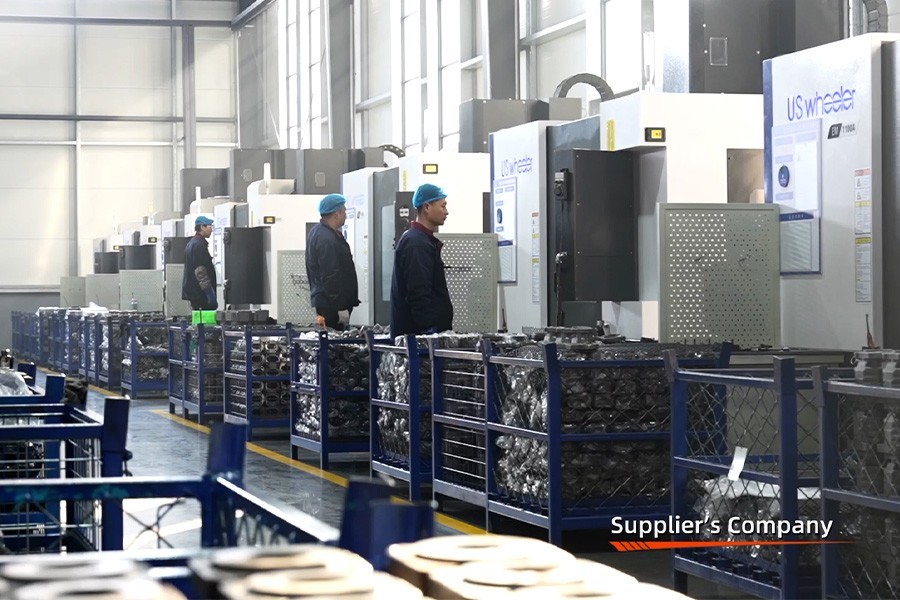
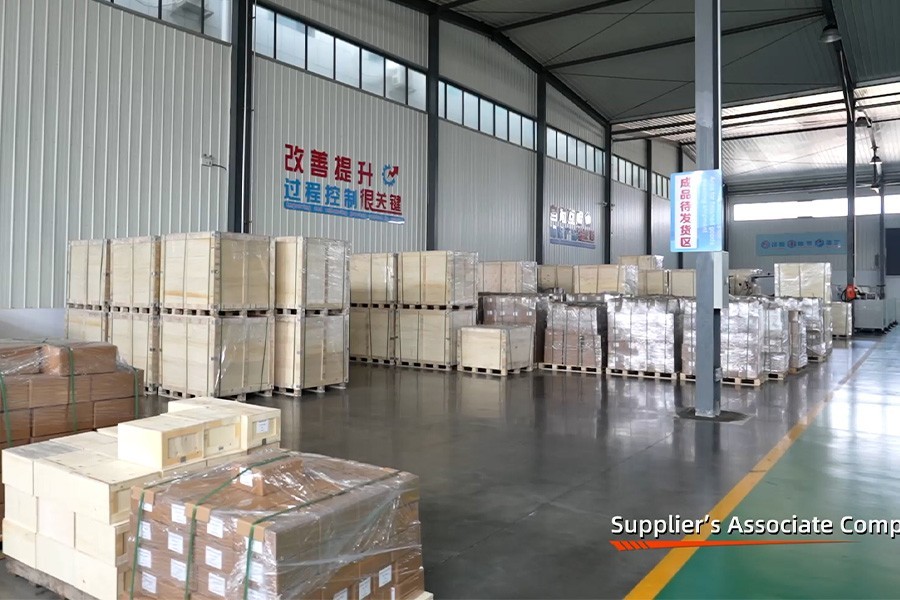
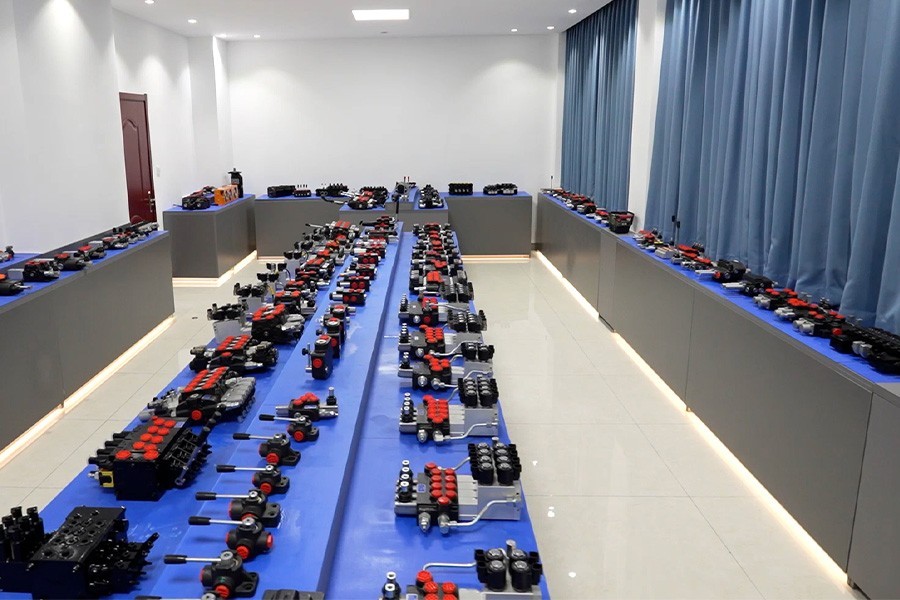
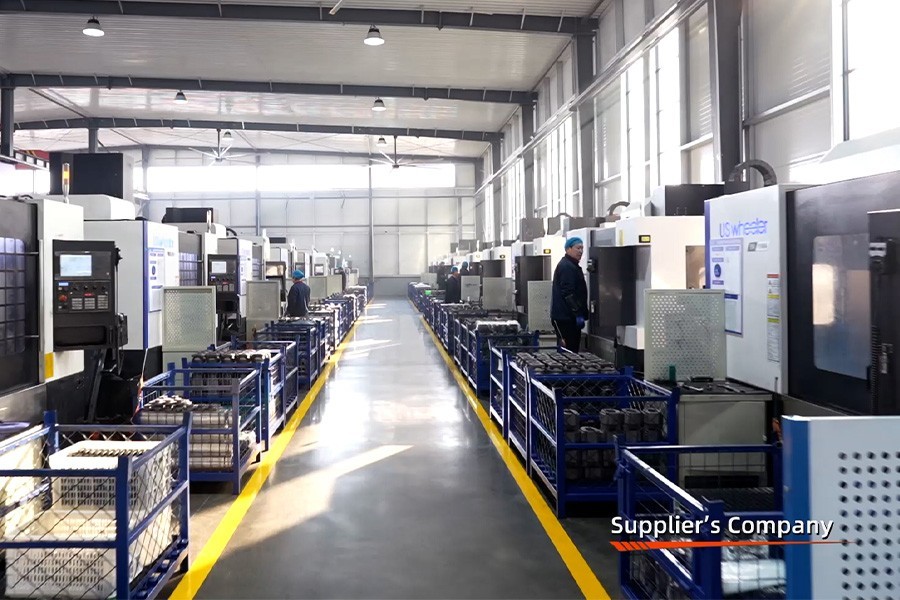
في شركة Boxinhuasheng Hydraulic Technology Co., Ltd.، نقوم بتصنيع مضخات تروس هيدروليكية عالية الأداء ومضخات مكبسية مصممة للآلات المتنقلة الزراعية والبناءية والصناعية الثقيلة. تعمل Boxinhuasheng في مجمع التصنيع الذي تبلغ مساحته 68000 متر مربع، وتعتمد على أكثر من 25 عامًا من الخبرة الهندسية، وأكثر من 260 ماكينة CNC متقدمة، و35 من كبار المهندسين، وإدارة الجودة IATF 16949 لتزويد صانعي المعدات في أكثر من 80 دولة.
توفر هذه المقالة مقارنة فنية بين مضخات التروس الهيدروليكية ومضخات المكبس، وتقييم الميكانيكا الداخلية، ومنحنيات الكفاءة، وقيود الضغط، ومستويات الضوضاء، وإرشادات الاختيار لتطبيقات OEM.
مبادئ التشغيل الميكانيكية
في حين أن كلا التصميمين عبارة عن مضخات إزاحة موجبة، إلا أن آليات الضخ الداخلية الخاصة بهما تختلف بشكل أساسي:
┌────────────────────────── ──────────────────────────┐
                  │ ميكانيكا تشغيل المضخات الهيدروليكية │
                  └─────────────────────────┬ ──────────────────────────┘
                                              │
         ┌──────────────────────────── ───┴─────────────────────────┐
         ▼ ▼
┌────────────────── ──────────────────┐ ┌────────────────── ──────────────────┐
│ مضخة تروس هيدروليكية خارجية │ │ مضخة المكبس الهيدروليكي المحوري │
├────────────────── ──────────────────┤ ├────────────────── ──────────────────┤
│ • اثنين من التروس المتشابكة / التروس الحلزونية │ │ • مكابس ترددية داخل الأسطوانة│
│ • تعمل الأسنان غير المتشابكة على إنشاء عملية شفط (IN) │ │ برميل يدور مقابل لوحة القطع │
│ • أسنان متشابكة تدفع الزيت للخارج (للخارج) │ │ • زاوية اللوح المتعرج تملي السكتة الدماغية │
│ • الإزاحة الثابتة لكل دورة │ │ • التحكم في الإزاحة الثابتة أو المتغيرة│
└────────────────── ──────────────────┘ └────────────────── ──────────────────┘
#### 1. مضخات التروس الخارجية
تتكون مضخات التروس الخارجية من تروس قيادة وتروس مدفوعة محاطة بغلاف من الألومنيوم أو الحديد الزهر مصنوع بدقة:
- عند فك أسنان التروس على جانب الشفط، يتم إنشاء حجم موضعي منخفض الضغط، مما يسحب الزيت الهيدروليكي إلى مدخل المضخة.
- يتم حمل السوائل حول محيط السكن داخل تجاويف الأسنان.
- عندما تتشابك أسنان التروس على جانب المخرج، يتم طرد السائل بقوة من خلال منفذ التفريغ.
- النزوح الثابت: تعمل المضخات الترسية على إزاحة حجم ثابت من السائل في كل دورة للعمود.
#### 2. مضخات المكبس المحوري
تستخدم مضخات المكبس المحورية برميلًا أسطوانيًا يحتوي على مكابس متوازية متعددة (عادةً من 7 إلى 9) مرتبة محيطيًا حول عمود الإدارة المركزي:
- أحذية المكبس تركب على صفيحة مائلة.
- أثناء دوران أسطوانة الأسطوانة، تجبر اللوحة المائلة المكابس على الحركة التبادلية محوريًا داخل تجاويفها، مما يؤدي إلى سحب السائل أثناء الشوط الخارجي وتفريغ السائل أثناء الشوط الداخلي.
- الإزاحة المتغيرة: يؤدي تغيير زاوية إمالة اللوحة المتعرجة من خلال آلية التحكم الهيدروليكية أو الإلكترونية إلى ضبط طول شوط المكبس، مما يؤدي إلى تغيير ناتج السائل ديناميكيًا من الصفر إلى الحد الأقصى للتدفق عند دورة ثابتة في الدقيقة للعمود.
مصفوفة المقارنة الفنية الشاملة
+-------------------------------------------------------------------------+
|              مضخة التروس مقابل. المقارنة الفنية لمضخة المكبس |
+----------+--------------------------------------+------+
| المعلمة الهندسية | مضخة تروس هيدروليكية | مضخة المكبس الهيدروليكي|
+----------+--------------------------------------+------+
| الحد الأقصى لضغط العمل | 20 ميجا باسكال إلى 25 ميجا باسكال | 31.5 ميجا باسكال إلى 45 ميجا باسكال |
|                          | (200 - 250 بار) | (315 - 450 بار) |
| الكفاءة الحجمية | 85% إلى 92% | 93% إلى 98% |
| خيارات النزوح | الإزاحة الثابتة | المتغيرة والثابتة |
| تحمل تلوث السوائل| عالي (يقاوم الأوساخ) | معتدل / منخفض |
| تكلفة الشراء النسبية | منخفضة / فعالة من حيث التكلفة | الاستثمار العالي |
| الوزن والبصمة البدنية| مدمج وخفيف الوزن| أكبر وشديد التحمل |
| ضوضاء التشغيل النموذجية | 70 - 80 ديسيبل | 65 - 75 ديسيبل |
| تعقيد الصيانة | منخفض (مجموعة ختم بسيطة) | عالية (لفة دقيقة) |
+----------+--------------------------------------+------+
أبعاد الأداء الرئيسية
#### 1. ضغط التشغيل وكثافة الطاقة
- مضخات والعتاد: التفوق في تطبيقات الضغط المنخفض إلى المتوسط حتى 25 ميجا باسكال (250 بار). عند الضغط العالي، يزداد تسرب السائل الداخلي عبر الألواح الجانبية للتروس، مما يقلل من الكفاءة.
- مضخات المكبس: مصمم للأنظمة المتنقلة الصناعية والثقيلة ذات الضغط العالي التي تعمل حتى 31.5 ميجا باسكال (315 بار) متواصلة و45 ميجا باسكال. تحافظ الخلوصات الضيقة من المكبس إلى البرميل على كفاءة عالية في ظل الأحمال الشديدة.
#### 2. كفاءة الطاقة والأداء الحجمي
- كفاءة مضخة التروس: تتراوح الكفاءة الحجمية ($\eta_v$) من 85% إلى 92%، وتنخفض عندما تؤدي درجة حرارة تشغيل الزيت إلى رفع لزوجة السائل.
- كفاءة مضخة المكبس: يحقق كفاءة حجمية استثنائية ($\eta_v > 95\%$) عبر نطاقات درجات حرارة واسعة، مما يقلل من استهلاك الوقود في الحفارات الثقيلة وحصادات الغابات.
#### 3. مرونة الدائرة (الإزاحة الثابتة مقابل الإزاحة المتغيرة)
- مضخات والعتاد: تتطلب الإزاحة الثابتة تفريغ تدفق المضخة الزائد إلى الخزان من خلال صمامات التنفيس أو الالتفافية عندما لا يكون التدفق الكامل مطلوبًا، مما يؤدي إلى فقدان الطاقة الحرارية.
- مضخات المكبس (استشعار الحمل): تعمل أدوات التحكم في لوحة الإزاحة ذات الإزاحة المتغيرة على ضبط التدفق مباشرةً لتتناسب مع طلب المشغل. عندما تكون صمامات التحكم في الوضع المحايد، تنخفض إزاحة المضخة بالقرب من الصفر، مما يحافظ على قوة المحرك.
#### 4. مقاومة التلوث وموثوقية الصيانة
- مضخات والعتاد: وعرة بشكل استثنائي. تسمح التفاوتات الداخلية الأكبر لمضخات التروس بتحمل تلوث الزيت المعتدل دون توقف مفاجئ، مما يجعلها مثالية للبيئات الزراعية القاسية.
- مضخات المكبس: تتطلب خلوص أحذية المكبس دون الميكرون ترشيحًا صارمًا للزيت (رمز ISO 4406 رقم 16/14/11 كحد أدنى). يؤدي التلوث بالطمي الناعم إلى خدش سريع للأحذية وحدوث حكة.
دليل اختيار تطبيق OEM
الآلات الزراعية (الجرارات والحصادات) ──► مضخات التروس الهيدروليكية (فعالة من حيث التكلفة ومتينة)
المكونات الهيدروليكية لوحدة نقل الطاقة للشاحنة (الشاحنات القلابة، عمليات التدحرج) ──► معدات الخدمة الشاقة / مضخات المكبس ذات المحور المنحني
الحفارات المتنقلة والرافعات الثقيلة ──► مضخات المكبس المحوري المتغير (كفاءة عالية)
#### متى يتم اختيار المضخة الهيدروليكية ذات التروس:
- تظل ضغوط التشغيل أقل من 25 ميجا باسكال (250 بار).
- تعد التكلفة المنخفضة للمكونات الأولية والبساطة من الأهداف الهندسية الأساسية.
- تتضمن بيئات التشغيل تعرضًا قاسيًا وصيانة متغيرة للزيت.
- متطلبات التدفق الثابت (على سبيل المثال، دوائر التوجيه، ومحركات المراوح، ومصاعد المعدات الزراعية).
#### متى يتم اختيار مضخة المكبس الهيدروليكي:
- تتجاوز ضغوط التشغيل المستمرة 25 ميجا باسكال (حتى 31.5-45 ميجا باسكال).
- يتطلب النظام مطابقة التدفق المتغير لاستشعار الحمل (LS) لتحسين كفاءة استهلاك الوقود.
- يلزم وجود كثافة طاقة عالية واستجابة ديناميكية سريعة (على سبيل المثال، دوائر الحفر الرئيسية للحفار).
خاتمة
تلعب كل من مضخات التروس الهيدروليكية ومضخات المكبس المحوري أدوارًا حيوية في أنظمة طاقة السوائل الحديثة. توفر مضخات التروس أداءً مدمجًا وفعالاً من حيث التكلفة ومقاومًا للتلوث لتطبيقات الضغط المتوسط، بينما توفر مضخات المكبس قدرة ضغط لا مثيل لها، وتحكمًا متغيرًا في الإزاحة، وكفاءة حجمية عالية للآلات المتنقلة الثقيلة.
تقوم شركة Boxinhuasheng Hydraulic Technology Co., Ltd. بتصنيع خطوط كاملة من المضخات ذات التروس الهيدروليكية عالية الضغط ومضخات المكبس المدعومة بأكثر من 25 عامًا من الخبرة في الإنتاج، و35 من كبار المهندسين، واختبار محاكاة عبء العمل بنسبة 100%، وشهادة الجودة IATF 16949.
لتقييم منحنيات أداء المضخة، أو تنزيل نماذج CAD ثلاثية الأبعاد، أو طلب تسعير OEM، تفضل بزيارةwww.chinesehydraulic.com.